




Bodyscan Plus
arrow_left_altTo examinations
Bodyscan

Bodyscan Plus

Insight into your health in one day.

Why choose a Bodyscan Plus?

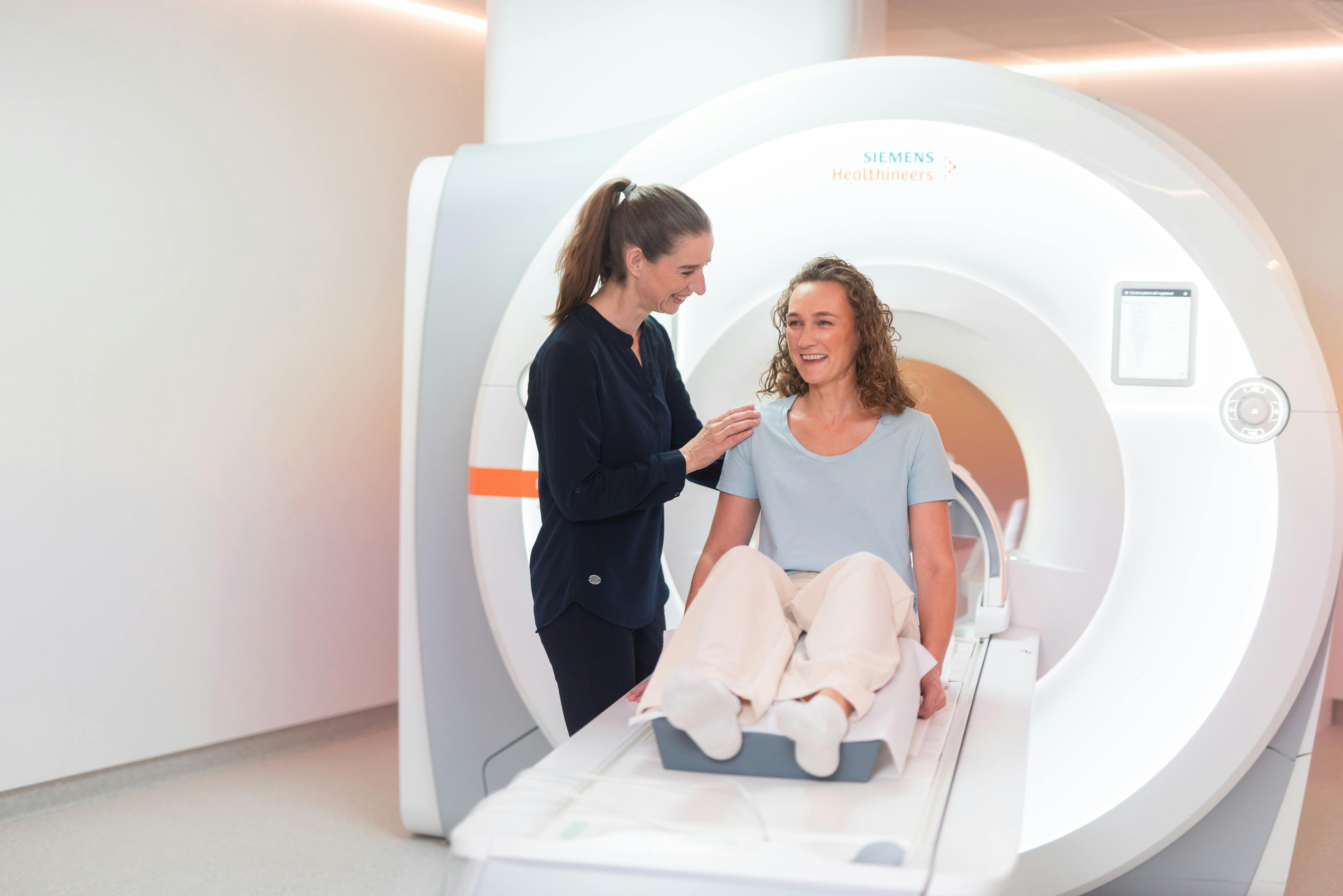
The Bodyscan Plus is an examination program consisting of five targeted MRI scans of the main body areas (brain, neck vessels, chest, upper abdomen, and lower abdomen). The scans focus on the vital organs, supplemented by a comprehensive examination of your heart and a blood and urine test. The stomach, intestines, and esophagus are not clearly visible or assessable due to their mobility. All examinations are reviewed by our medical specialists. You will receive the results the same day, along with an explanation from our specialists, so you gain a good understanding of your health situation.

What does the Bodyscan Plus provide me?

  • You gain preventive insight into your health.
  • All images are evaluated by medical specialists.
  • You receive the results the same day with an explanation from medical specialists to help you understand your health situation.
  • The MRI images are available in the secure environment of MyPrescan. The report is accessible here for 10 years and easy to share.

Specifications Bodyscan Plus

MRI scan
MRI scan
Cardiology
Cardiology
Laboratory
Laboratory

MRI scan

  • neurology Brain
  • endocrinology Neck
  • rib_cage Chest
  • gastroenterology Upper abdominal
  • nephrology Lower abdomen

Details
  • Provides insight into
  • Pros and cons
  • Alternatives
  • Risks
  • Technical description

Provides insight into

A preventative MRI is intended to detect potential conditions at an early stage, but if you experience symptoms or notice significant changes, you should always contact your GP.

  • The scan at Prescan provides a clear image of various anatomical structures in the brain. This includes brain tissue, blood vessels, ventricles (cavities in the brain), and the skull, giving you insight into your brain.
  • A preventive scan can also detect potential abnormalities, such as cysts, haemorrhages, and inflammations. While the scan can detect tumours, this is not permitted as part of preventive screening in the Netherlands due to WBO regulations.
  • The MRI brain scan can also provide clues about brain function, potentially showing early signs of neurological conditions such as multiple sclerosis or epilepsy, though it's important to note that this is not a diagnosis.
  • The MRI brain scan can potentially detect traumas, such as brain contusions or skull fractures, as well as vascular issues like aneurysms or strokes.

It is possible that an examination may lead to incidental findings. Before the examination, Prescan will ask whether you wish to be informed about incidental findings for which monitoring or treatment is possible, and incidental findings concerning conditions that may affect your offspring. Prescan is not permitted to inform you about incidental findings for which no monitoring or treatment is possible (see NEN 8051-norm for more information).

The results of the examination can be shared with your general practitioner. For more information about preventive medical examinations, Prescan recommends consulting the following independent sources:

Brochure of the KNMG

RIVM Health Tests | RIVM Website

Pros and cons

Pros
  • High image quality without radiation: An MRI scan provides highly detailed images of organs and tissues without using harmful ionising radiation, unlike an X-ray or CT scan.
  • Non-invasive and safe: The procedure is safe and non-invasive, meaning no needles or interventions are required, making it more comfortable for the patient.
  • No contrast medium needed: For this specific MRI scan, no contrast medium is used, making it safer for people who may be allergic to contrast agents or have kidney issues.
Cons
  • A preventive MRI scan of the brain can sometimes detect benign abnormalities that pose no risk. This can cause unnecessary worry or anxiety, especially if follow-up tests are required to rule out something serious.
  • In some cases, harmless abnormalities may be mistakenly seen as concerning, leading to unnecessary follow-up tests or additional scans. This can cause stress, even if it later turns out there is no issue. Prescan will never diagnose or treat in these cases but will refer you to your GP for further investigation.
  • People with metal implants such as pacemakers or surgical clips may not always be able to undergo an MRI due to the use of strong magnets.
  • The enclosed space of the MRI machine can be problematic for people with claustrophobia.
  • Without contrast fluid, some small abnormalities may be less visible on the scan. This means that certain details may be harder to detect, and additional tests may sometimes be necessary to see everything clearly.

Alternatives

If you have any symptoms, we advise you to contact your GP. Prescan focuses on preventive health checks and is not intended for investigating existing symptoms.

(Not offered by Prescan)

Possible alternatives include: CT scan PET scan

Risks

  • Claustrophobia: fear of the narrow space, potentially resolved with sedatives. Sedatives should be obtained via a GP or over the counter from a pharmacy.
  • A key risk during an MRI scan is the presence of metal in the body. MRI uses strong magnets, and metal objects or implants can be attracted to these magnets, which can be dangerous. This applies to:
    • Metal implants: Individuals with metal implants such as pacemakers, stents, or joint replacements must always inform their doctor. Some modern implants are MRI-safe, but this must be confirmed beforehand.
    • Metal in the body: Splinters or other small metal objects in the body may shift or heat up during the MRI, which could cause injury.
    • Metal objects: It is important to remove all metal objects such as jewellery, watches, and piercings before the scan, as they can be attracted by the magnetic field.
  • To avoid risks, a thorough screening is conducted before the MRI to check for the presence of metal.

Technical description

MRI Scanners

Prescan uses 1.5 and 3 Tesla scanners. The choice of scanner depends on the availability at the location. Unfortunately, clients cannot select a specific scanner. However, both types of scanners provide reliable and accurate images, and the choice of scanner does not affect the outcome or the quality of the examination.

MRI Protocol

The MRI protocol at Prescan has been developed in consultation with radiologists and MRI technicians to ensure optimal image quality, suited for preventative medical screening. While a standard protocol is followed, radiologists may decide to deviate from it based on the specific situation and apply a customised scan protocol.

Details
  • Provides insight into
  • Pros and cons
  • Alternatives
  • Risks
  • Technical description

Provides insight into

A preventive MRI of the carotid arteries is intended to detect potential conditions at an early stage, but if you experience symptoms or notice unusual changes, you should always contact your general practitioner.

  • Narrowing or blockage of the carotid arteries
  • Aneurysm of the cerebral vessels
  • Aneurysm of the carotid arteries

It is possible that an examination may lead to incidental findings. Before the examination, Prescan will ask whether you wish to be informed about incidental findings for which monitoring or treatment is possible, and incidental findings concerning conditions that may affect your offspring. Prescan is not permitted to inform you about incidental findings for which no monitoring or treatment is possible (see NEN 8051 standard for more information).

The results of the examination can be shared with your general practitioner. For more information about preventive medical examinations, Prescan recommends consulting the following independent sources:

Brochure from KNMG

RIVM Health Testing website

Pros and cons

Pros
  • High image quality without radiation: An MRI scan provides highly detailed images of organs and tissues without the use of harmful ionizing radiation, unlike for example an X-ray or CT scan.
  • Non-invasive and safe: The examination is safe and non-invasive, meaning that no needles or procedures are required, making it more comfortable for the patient.
  • No contrast medium required: For this specific MRI scan, no contrast medium is used, which makes the examination safer for people who may be allergic to contrast agents or have kidney problems.
Cons
  • A preventive MRI scan of the neck can sometimes detect benign abnormalities that pose no risk. This may cause unnecessary worry or anxiety, especially if follow-up examinations are required to rule out something serious.
  • In some cases, harmless abnormalities may mistakenly be seen as concerning, which can lead to unnecessary follow-up examinations or additional scans. This can cause stress, even if it later turns out there is no problem. Prescan will never make a diagnosis or provide treatment in such cases, but will refer you to your general practitioner for further examination.
  • People with metal implants such as pacemakers or surgical clips may not always be able to undergo an MRI due to the use of strong magnets.
  • The enclosed space of the MRI machine can be an issue for people with claustrophobia.
  • Without contrast medium, some small abnormalities may be less visible on the scan. This means certain details are harder to detect, and additional examinations may sometimes be needed to get a clear picture.

Alternatives

If you have symptoms, we advise you to contact your general practitioner. Prescan focuses on preventive health checks and is not intended for examining existing complaints.

(Not offered by Prescan)

Possible alternatives are:

  • CT scan
  • PET scan

Risks

  • Claustrophobia: anxiety in the confined space, which may be managed with sedatives. Sedatives must be obtained through your general practitioner or a pharmacy.
  • An important risk with an MRI scan is the presence of metal in the body. MRI uses strong magnets, and metallic objects or implants can therefore be attracted, which may be dangerous. This applies to:
    • Metal implants: Individuals with metal implants such as pacemakers, stents, or joint prostheses must always inform their physician. Some modern implants are MRI-safe, but this must be checked beforehand.
    • Metal in the body: Splinters or other small metallic objects in the body may shift or heat up during the MRI, which can cause injury.
    • Metallic objects: It is important to remove all metallic objects such as jewelry, watches, and piercings before the scan, as these may be attracted by the magnetic field.

To avoid risks, a thorough screening is conducted before the MRI to check for the presence of metal.

Technical Description

MRI Scanners

Prescan uses 1.5 Tesla and 3 Tesla MRI scanners. The choice of scanner depends on the availability at the location. Unfortunately, clients are unable to select a specific scanner themselves. However, both types of scanners provide reliable and accurate images, and the choice of scanner does not affect the outcome or quality of the examination.

MRI Protocol

The MRI protocol at Prescan has been developed in collaboration with radiologists and MRI technicians to ensure optimal image quality suitable for preventive medical research. While a standard protocol is followed, radiologists may decide to deviate from this and apply an adapted scan protocol based on the specific situation of the client.

Details
  • Provides insight into
  • Pros and cons
  • Alternatives
  • Risks
  • Technical description

Provides insight into

A preventive MRI of the chest is intended to detect potential conditions at an early stage, but if you experience symptoms or notice unusual changes, you should always contact your general practitioner.

  • Lung abnormalities larger than 5 mm
  • Fluid behind the lungs (pleural effusion)
  • Vertebral compression fractures or breaks
  • Certain soft tissue abnormalities such as lipomas
  • Enlarged lymph nodes
  • Dilation of the aorta

Major abnormalities in the breasts > because no contrast medium is used, we cannot make reliable statements about small tumors or malignancies. If you wish to have this specifically examined, you can contact Borstzorgklinieken (www.borstzorgklinieken.nl) or your general practitioner for screening as part of the national breast cancer screening program.

It is possible that an examination may lead to incidental findings. Before the examination, Prescan will ask whether you wish to be informed about incidental findings for which monitoring or treatment is possible, and incidental findings concerning conditions that may affect your offspring. Prescan is not permitted to inform you about incidental findings for which no monitoring or treatment is possible (see NEN 8051 standard for more information).

The results of the examination can be shared with your general practitioner. For more information about preventive medical examinations, Prescan recommends consulting the following independent sources:

Brochure from KNMG

RIVM Health Testing website

Pros and cons

Pros
  • High image quality without radiation: An MRI scan provides highly detailed images of organs and tissues without the use of harmful ionizing radiation, unlike for example an X-ray or CT scan.
  • Non-invasive and safe: The examination is safe and non-invasive, meaning that no needles or procedures are required, making it more comfortable for the patient.
  • No contrast medium required: For this specific MRI scan, no contrast medium is used, which makes the examination safer for people who may be allergic to contrast media or have kidney problems.
Cons
  • A preventive MRI scan of the chest can sometimes detect benign abnormalities that pose no risk. This may cause unnecessary worry or anxiety, especially if follow-up examinations are required to rule out something serious.
  • In some cases, harmless abnormalities may mistakenly be seen as concerning, which can lead to unnecessary follow-up examinations or additional scans. This can cause stress, even if it later turns out there is no problem. Prescan will never make a diagnosis or provide treatment in such cases, but will refer you to your general practitioner for further examination.
  • People with metal implants such as pacemakers or surgical clips may not always be able to undergo an MRI due to the use of strong magnets.
  • The enclosed space of the MRI machine can be an issue for people with claustrophobia.
  • Without contrast medium, some small abnormalities may be less visible on the scan. This means certain details are harder to detect, and additional examinations may sometimes be needed to get a clear picture.
  • An MRI scan of the chest is less suitable for the lungs. This is because MRI does not work well with air. As a result, details in the lungs are difficult to see on an MRI.

Alternatives

If you have symptoms, we advise you to contact your general practitioner. Prescan focuses on preventive health checks and is not intended for examining existing complaints.

(Not offered by Prescan)
Possible alternatives are:

  • CT scan
  • PET scan

Risks

  • Claustrophobia: anxiety in the confined space, which may be managed with sedatives. Sedatives must be obtained through your general practitioner or a pharmacy.
  • An important risk with an MRI scan is the presence of metal in the body. MRI uses strong magnets, and metallic objects or implants can therefore be attracted, which may be dangerous. This applies to:
    • Metal implants: Individuals with metal implants such as pacemakers, stents, or joint prostheses must always inform their physician. Some modern implants are MRI-safe, but this must be checked beforehand.
    • Metal in the body: Splinters or other small metallic objects in the body may shift or heat up during the MRI, which can cause injury.
    • Metallic objects: It is important to remove all metallic objects such as jewelry, watches, and piercings before the scan, as these may be attracted by the magnetic field.

To avoid risks, a thorough screening is performed before the MRI to check for the presence of metal.

Technical Description

MRI Scanners

Prescan uses 1.5 Tesla and 3 Tesla MRI scanners. The choice of scanner depends on the availability at the location. Unfortunately, clients are unable to select a specific scanner themselves. However, both types of scanners provide reliable and accurate images, and the choice of scanner does not affect the outcome or quality of the examination.

MRI Protocol

The MRI protocol at Prescan has been developed in collaboration with radiologists and MRI technicians to ensure optimal image quality suitable for preventive medical research. While a standard protocol is followed, radiologists may decide to deviate from this and apply an adapted scan protocol based on the specific situation of the client.

Details
  • Provides insight into
  • Pros and cons
  • Alternatives
  • Risks
  • Technical description

Provides insight into

An MRI scan of your upper abdomen is intended to detect potential conditions early, but if you experience any symptoms or notice significant changes, you should always contact your GP.

General:
  • We can, for example, see whether there is a rupture in the abdominal wall and whether abnormalities are visible.
  • Diverticula: bulges in the intestines that can become inflamed and cause abdominal pain.
  • Liver: fatty liver can be detected.
  • Liver abnormalities: other abnormalities in the liver can be detected.
  • Aorta: we also examine the body’s main artery (aorta) for abnormalities, such as a dilation (aneurysm).
  • Kidneys: we can examine the kidneys for abnormalities, such as large kidney stones or signs of infection.
  • Spleen: abnormalities in the spleen can be detected.
What we cannot assess well:
  • Esophagus, stomach, and intestines. These organs are too mobile.
  • Small kidney stones are not clearly visible.

It is possible that an examination may lead to incidental findings. Before the examination, Prescan will ask whether you wish to be informed about incidental findings for which monitoring or treatment is possible, and incidental findings concerning conditions that may affect your offspring. Prescan is not permitted to inform you about incidental findings for which no monitoring or treatment is possible (see NEN 8051 standard for more information).

The results of the examination can be shared with your general practitioner. For more information about preventive medical examinations, Prescan recommends consulting the following independent sources:

Brochure from KNMG

RIVM Health Testing website

Pros and cons

Pros:
  • High image quality without radiation: An MRI scan provides highly detailed images of organs and tissues without the use of harmful ionizing radiation, unlike for example an X-ray or CT scan.
  • Non-invasive and safe: The examination is safe and non-invasive, meaning that no needles or procedures are required, making it more comfortable for the patient.
  • No contrast medium required: For this specific MRI scan, no contrast medium is used, which makes the examination safer for people who may be allergic to contrast media or have kidney problems.
Cons:
  • A preventive MRI scan of the upper abdomen can sometimes detect benign abnormalities that pose no risk. This may cause unnecessary worry or anxiety, especially if follow-up examinations are required to rule out something serious.
  • In some cases, harmless abnormalities may mistakenly be seen as concerning, which can lead to unnecessary follow-up examinations or additional scans. This can cause stress, even if it later turns out there is no problem. Prescan will never make a diagnosis or provide treatment in such cases, but will refer you to your general practitioner for further examination.
  • People with metal implants such as pacemakers or surgical clips may not always be able to undergo an MRI due to the use of strong magnets.
  • The enclosed space of the MRI machine can be an issue for people with claustrophobia.
  • Without contrast medium, some small abnormalities may be less visible on the scan. This means certain details are harder to detect, and additional examinations may sometimes be needed to get a clear picture.

Alternatives

If you have symptoms, we advise you to contact your general practitioner. Prescan focuses on preventive health checks and is not intended for examining existing complaints.

(Not offered by Prescan)

Possible alternatives are:

  • CT scan
  • PET scan

Risks

  • Claustrophobia: anxiety in the confined space, which may be managed with sedatives. Sedatives must be obtained through your general practitioner or a pharmacy.
  • An important risk with an MRI scan is the presence of metal in the body. MRI uses strong magnets, and metallic objects or implants can therefore be attracted, which may be dangerous. This applies to:
    • Metal implants: Individuals with metal implants such as pacemakers, stents, or joint prostheses must always inform their physician. Some modern implants are MRI-safe, but this must be checked beforehand.
    • Metal in the body: Splinters or other small metallic objects in the body may shift or heat up during the MRI, which can cause injury.
    • Metallic objects: It is important to remove all metallic objects such as jewelry, watches, and piercings before the scan, as these may be attracted by the magnetic field.

To avoid risks, a thorough screening is conducted before the MRI to check for the presence of metal.

Technical description

MRI Scanners

Prescan uses 1.5 and 3 Tesla scanners. The choice of scanner depends on the availability at the location. Unfortunately, clients cannot select a specific scanner. However, both types of scanners provide reliable and accurate images, and the choice of scanner does not affect the outcome or the quality of the examination.

MRI Protocol

The MRI protocol at Prescan has been developed in consultation with radiologists and MRI technicians to ensure optimal image quality, suited for preventative medical screening. While a standard protocol is followed, radiologists may decide to deviate from it based on the specific situation and apply a customised scan protocol.

Details
  • Provides insight into
  • Pros and cons
  • Alternatives
  • Risks
  • Technical description

Provides insight into

A preventive MRI of the lower abdomen is intended to detect potential conditions at an early stage, but if you experience symptoms or notice unusual changes, you should always contact your general practitioner.

General:
  • Diverticula: bulges in the intestines that can become inflamed and cause abdominal pain.
  • Enlarged lymph nodes: these may indicate an infection or another underlying condition.
  • Bladder abnormalities: bulges (diverticula) or other abnormalities in the bladder can be detected.
  • Inguinal hernia: a bulge in the groin that causes pain or discomfort.
For women:
  • Fibroids (myomas): these are benign growths in the uterus. The scan measures the size and location of these myomas, which can be useful in treating menstrual complaints.
  • Uterine wall: a thickened uterine wall can cause lower abdominal complaints and menstrual problems.
  • Congenital abnormalities of the uterus: in rare cases, there may be a double uterus, vagina, or cervix. This is uncommon, but important information for health.
  • Endometriosis: this condition can cause severe lower abdominal complaints, especially around menstruation.
  • Enlarged ovaries: this may indicate cysts or other abnormalities.
  • Pelvic floor weakness: this can lead to prolapse, which causes discomfort.
For men:
  • Enlarged prostate: a common condition in older men, which can cause problems with urination.
  • Prostate examination: in men over 40, a scan can detect abnormalities in the prostate, such as enlarged glands.
What we cannot assess well:
  • Esophagus, stomach, and intestines. These organs are too mobile.

It is possible that an examination may lead to incidental findings. Before the examination, Prescan will ask whether you wish to be informed about incidental findings for which monitoring or treatment is possible, and incidental findings concerning conditions that may affect your offspring. Prescan is not permitted to inform you about incidental findings for which no monitoring or treatment is possible (see NEN 8051 standard for more information).

The results of the examination can be shared with your general practitioner. For more information about preventive medical examinations, Prescan recommends consulting the following independent sources:

Brochure from KNMG

RIVM Health Testing website

Pros and cons

Pros
  • High image quality without radiation: An MRI scan provides highly detailed images of organs and tissues without the use of harmful ionizing radiation, unlike for example an X-ray or CT scan.
  • Non-invasive and safe: The examination is safe and non-invasive, meaning that no needles or procedures are required, making it more comfortable for the patient.
  • No contrast medium required: For this specific MRI scan, no contrast medium is used, which makes the examination safer for people who may be allergic to contrast media or have kidney problems.
Cons
  • A preventive MRI scan can sometimes detect benign abnormalities that pose no risk. This may cause unnecessary worry or anxiety, especially if follow-up examinations are required to rule out something serious.
  • In some cases, harmless abnormalities may mistakenly be seen as concerning, which can lead to unnecessary follow-up examinations or additional scans. This can cause stress, even if it later turns out there is no problem. Prescan will never make a diagnosis or provide treatment in such cases, but will refer you to your general practitioner for further examination.
  • People with metal implants such as pacemakers or surgical clips may not always be able to undergo an MRI due to the use of strong magnets.
  • The enclosed space of the MRI machine can be an issue for people with claustrophobia.
  • Without contrast medium, some small abnormalities may be less visible on the scan. This means certain details are harder to detect, and additional examinations may sometimes be needed to get a clear picture.

Alternatives

If you have any symptoms, we advise you to contact your GP. Prescan focuses on preventive health checks and is not intended for investigating existing symptoms.

(Not offered by Prescan)

Possible alternatives include: CT Scan X-ray

Risks

  • Claustrophobia: fear of the narrow space, potentially resolved with sedatives. Sedatives should be obtained via a GP or over the counter from a pharmacy.
  • A key risk during an MRI scan is the presence of metal in the body. MRI uses strong magnets, and metal objects or implants can be attracted to these magnets, which can be dangerous. This applies to:
    • Metal implants: Individuals with metal implants such as pacemakers, stents, or joint replacements must always inform their doctor. Some modern implants are MRI-safe, but this must be confirmed beforehand.
    • Metal in the body: Splinters or other small metal objects in the body may shift or heat up during the MRI, which could cause injury.
    • Metal objects: It is important to remove all metal objects such as jewellery, watches, and piercings before the scan, as they can be attracted by the magnetic field.

To avoid risks, a thorough screening is conducted before the MRI to check for the presence of metal.

Technical description

MRI Scanners

Prescan uses 1.5 and 3 Tesla scanners. The choice of scanner depends on the availability at the location. Unfortunately, clients cannot select a specific scanner. However, both types of scanners provide reliable and accurate images, and the choice of scanner does not affect the outcome or the quality of the examination.

MRI Protocol

The MRI protocol at Prescan has been developed in consultation with radiologists and MRI technicians to ensure optimal image quality, suited for preventative medical screening. While a standard protocol is followed, radiologists may decide to deviate from it based on the specific situation and apply a customised scan protocol.

Cardiology

  • directions_bike Exercise ECG
  • procedure Ultrasound of the heart
  • ecg ecg

Details
  • Provides insight into
  • Pros and cons
  • Alternatives
  • Risks
  • Technical description

Provides insight into

An exercise test on a bike is an important part of a body check to assess the health of your heart. During this test, you cycle on an exercise bike while your heart rate and breathing are measured. The purpose of the test is to see how well your heart responds to physical exertion.

The test starts gently and gradually becomes more intense, making your heart work harder. You may start breathing faster and your heart will beat more quickly. This is normal and helps the doctor determine whether your heart and blood vessels are functioning properly or if there may be problems with blood flow to your heart.

This test can detect problems early, such as narrowed blood vessels, which you might not yet notice in daily life. If anything unusual happens during the test, the cardiologist will see it immediately and further steps can be taken.

An exercise test is a safe and effective way to gain insight into your heart health, especially as part of a comprehensive body check. It helps you to identify potential risks early and take timely action.

Note: If you currently have heart complaints or have been under the care of a cardiologist in the past 12 months, you cannot undergo preventive examinations at Prescan. A preventive health check is not intended for people with existing complaints or ongoing treatments. In that case, you should first contact your general practitioner or cardiologist for further examination and advice. If in doubt or if you have questions, you can always contact us at 074 255 9 255.

It is possible that an examination may lead to incidental findings. Before the examination, Prescan will ask whether you wish to be informed about incidental findings for which monitoring or treatment is possible, and incidental findings concerning conditions that may affect your offspring. Prescan is not permitted to inform you about incidental findings for which no monitoring or treatment is possible (see NEN 8051 standard for more information).

For more information about preventive medical examinations, Prescan recommends consulting the following independent sources:

Brochure from KNMG

RIVM Health Testing website

Pros and cons

Pros:
  • Early detection of heart problems
  • Insight into the condition of your heart
  • Safe examination, as it is performed under the supervision of a cardiologist
  • Preventive effect: helps you improve your lifestyle
Cons:
  • Not suitable for people with existing heart complaints.
  • Limited scope: Only shows results during exertion.
  • Fatiguing: Can be demanding for people with low fitness levels.
  • A preventive examination can sometimes detect benign heart abnormalities that pose no risk. This may cause unnecessary worry or anxiety, especially if follow-up examinations are required to rule out something serious.
  • In some cases, harmless abnormalities may mistakenly be seen as concerning, which can lead to unnecessary follow-up examinations. This can cause stress, even if it later turns out there is no problem. Prescan will never make a diagnosis or provide treatment in such cases, but will refer you to your general practitioner for further examination.

Alternatives:

Possible alternatives to a preventative health check with an ECG include:

  • Echocardiogram (heart ultrasound): This test uses sound waves to create images of the heart. It shows how well your heart is pumping and whether the heart valves are functioning properly, useful for early detection of issues.
  • ECG (electrocardiogram): This measures the heart’s electrical activity at rest, helping to detect irregular heart rhythms.
  • MRI of the heart: This scan provides detailed images of the heart. It can help detect problems such as scar tissue or abnormalities in the heart muscle, useful for preventative checks.
  • CT scan of the heart: This scan looks at the blood vessels around the heart, helping to detect narrowing or blockages. This is important for early prevention of cardiovascular diseases.

Note: Prescan does not offer MRI or CT scans of the heart, as these tests do not fall under preventative care. They are part of regular healthcare and are performed for individuals with existing conditions or known risk factors. For these tests, it is best to contact your GP or cardiologist.

Risks

A risk during a fitness test is that the physical exertion might be too intense, especially for individuals with underlying heart conditions or poor fitness. This can lead to fatigue, dizziness, or in rare cases, arrhythmias during the test. To minimise this risk, the test is always conducted under medical supervision, with continuous monitoring of your heart and breathing. If any signs of problems arise, the test is stopped immediately.

Technical description

Exercise bike equipment

At Prescan, we use ergometer systems to perform an exercise test, also known as a bike test or exercise ECG. These systems are designed to monitor heart function during physical exertion and provide real-time displays of heart rate, blood pressure, and ECG data. The exercise tests are carried out on standardized medical bicycles, which offer controlled and precise increases in resistance, ensuring that the workload rises gradually and the heart is maximally stressed without unnecessary risks.

Exercise test protocol

The protocol for the exercise test has been developed in consultation with cardiologists for preventive medical examinations. The test begins with a resting ECG to establish baseline values, followed by a phase of gradual exertion. The resistance on the bike is increased step by step, with ECG readings, heart rate, and blood pressure closely monitored at various intervals. During the test, our medical professionals continuously monitor your condition to ensure safety. The test ends once the maximum heart rate or exertion limit is reached, or if irregularities are observed. If necessary, the cardiologist may decide to stop the test earlier.

Details
  • Provides insight into
  • Pros and cons
  • Alternatives
  • Risks
  • Technical description

Provides Insight Into

A preventative heart echo (echocardiogram) is a valuable examination for assessing your heart's health, even if you have no symptoms. During an echo, a doctor uses sound waves to observe how well your heart pumps blood throughout your body. This provides insight into your heart's functioning and whether everything is working as it should.

It can also detect issues with the heart valves, such as a leaky or narrowed valve, which can affect how efficiently your heart functions. Early detection of these issues can help prevent further complications. In addition to the echo, an ECG (electrocardiogram) may be performed to measure your heart rhythm and detect possible arrhythmias, such as atrial fibrillation.

If the echo or ECG indicates potential issues with the blood vessels around your heart, such as narrowed coronary arteries, further tests like a CT scan or angiogram might be necessary. However, at Prescan, a cardiologist will not request a CT scan, as this is not considered a preventative test. Instead, you will be referred to your GP or a specialist for further examination.

An echo can also reveal damage to the heart muscle, such as from a previous heart attack, or detect fluid buildup around the heart, which may indicate pericarditis (inflammation of the heart lining).

In summary, a preventative heart echo offers a comprehensive view of your heart’s health and helps identify potential problems early. If further testing is required, Prescan will ensure you are referred to the appropriate healthcare provider.

Note: If you currently have heart-related symptoms or have been under the care of a cardiologist in the past 12 months, you cannot undergo preventative examinations with Prescan. Preventative health checks are not intended for individuals with existing conditions or ongoing treatments. In such cases, you should contact your GP or cardiologist for further investigation and advice. If you are unsure or have any questions, feel free to contact us on 074 255 9 255.

It is possible that an examination may lead to incidental findings. Before the examination, Prescan will ask whether you wish to be informed about incidental findings for which monitoring or treatment is possible, and incidental findings concerning conditions that may affect your offspring. Prescan is not permitted to inform you about incidental findings for which no monitoring or treatment is possible (see NEN 8051 standard for more information).

For more information about preventive medical examinations, Prescan recommends consulting the following independent sources:

Brochure from KNMG

RIVM Health Testing website

Pros and cons

Pros:
  • Early detection of heart problems.
  • Insight into the condition of your heart.
  • Safe procedure, conducted under the supervision of a cardiologist.
  • Preventative benefits: helps you improve your lifestyle.
Cons:
  • Not suitable for individuals with existing heart conditions.
  • Limited scope: additional tests like a CT scan are required for evaluating blood vessels, such as coronary arteries, which Prescan is not authorised to perform.
  • A preventative check-up may sometimes detect harmless heart irregularities that do not pose any risk, potentially causing unnecessary worry or anxiety, especially if further tests are needed to rule out more serious conditions.
  • In some cases, benign irregularities might be mistakenly perceived as concerning, leading to unnecessary follow-up tests, which can cause stress even if there is no actual problem. Prescan will never diagnose or treat conditions themselves but will refer you to your GP for further investigation.

Alternatives:

Possible alternatives to a preventative health check with echocardiography include:

  • ECG: An ECG, or heart film, measures the electrical activity of your heart. This test gives insight into how your heart beats and whether there are any irregularities in rhythm or heart rate, such as arrhythmias or issues with blood flow to the heart.
  • Stress test (bicycle test): During this test, your heart activity is measured while cycling. It helps assess how your heart responds to physical activity and can detect problems like narrowed blood vessels at an early stage.
  • Cardiac MRI: This scan provides detailed images of your heart and can help detect issues such as scarring or abnormalities in the heart muscle, useful for preventative checks.
  • CT scan of the heart: This scan examines the blood vessels around the heart and helps detect narrowing or blockages, which are crucial for preventing cardiovascular diseases at an early stage.

Note: Prescan does not offer MRI or CT scans of the heart, as these are not classified as preventative care. They belong within regular medical care and are performed on individuals with known symptoms or risk factors. For these tests, it is best to contact your GP or cardiologist.

Risks:

  • An echocardiogram is a safe test with no associated risks. Since it uses sound waves rather than radiation, it is harmless to the body. The test is painless, and no needles or invasive instruments are used.
  • The only minor discomforts may include feeling cold gel on your skin or slight pressure from the transducer (the device that produces the echo). There are no known risks or complications linked to a heart echo.

Technical Description

Echocardiography Equipment

At Prescan, we use the latest generation of echocardiography systems to conduct heart exams. An echocardiogram is a non-invasive procedure that utilises sound waves (ultrasound) to create images of the heart and surrounding structures. Our echocardiography equipment provides detailed images of the heart chambers, valves, and blood flow, allowing early detection of any structural abnormalities or functional disorders in the heart.

Echocardiography Protocol

The echocardiography protocol at Prescan is developed in collaboration with cardiologists to ensure a thorough assessment of heart structure and function. During the test, a transducer is placed on the chest, emitting sound waves and capturing the reflected signals to form images of the heart. The cardiologist or echo technician may take images from various angles to obtain a comprehensive view of the heart. Standard measurements include assessing the size and function of the heart chambers, the thickness of the heart muscle, the functioning of the heart valves, and the speed and direction of blood flow.

While a standard echocardiography protocol is followed, the cardiologist may take additional images or adjust the test based on the client's individual condition, depending on findings during the exam.

Details
  • Provides insight into
  • Pros and cons
  • Alternatives
  • Risks
  • Technical description

Provides Insight Into

An ECG, also known as an electrocardiogram or heart tracing, measures the electrical activity of your heart. This test provides insight into how your heart beats and whether there are any abnormalities in heart rhythm or rate. It can reveal conditions such as an irregular heartbeat (like arrhythmias), a heart rate that is too fast or too slow, or problems with blood flow to the heart.

The ECG helps the cardiologist determine whether your heart is healthy or if there may be issues such as a blockage in the blood vessels or damage to the heart muscle. This test gives a comprehensive view of the overall functioning of your heart, allowing for timely intervention if anything is wrong.

Note: If you currently have heart-related symptoms or have been under the care of a cardiologist within the last 12 months, you cannot undergo preventative examinations with Prescan. A preventative health check is not intended for individuals with existing conditions or ongoing treatments. In such cases, you should contact your GP or cardiologist for further investigation and advice. If you are uncertain or have any questions, feel free to contact us on 074 255 9 255.

For more information about preventative medical examinations, Prescan recommends consulting the following independent sources:

KNMG

RIVM

Pros and cons

Pros
  • An ECG is simple and painless, with no needles or invasive procedures.
  • The test takes only a few minutes, and results are available quickly.
  • It can quickly identify abnormalities in heart rhythm.
  • Helps detect heart problems such as damage or blockages.
  • The test is safe and can be repeated without risk.
Cons:
  • It only measures the heart's electrical activity at that moment.
  • Provides no information about the heart’s structural health or exertion-related issues.
  • A preventative test may sometimes detect benign heart abnormalities that pose no risk. This can lead to unnecessary worry or anxiety, especially if follow-up tests are needed to rule out serious issues.
  • In some cases, harmless abnormalities may mistakenly be seen as concerning, resulting in unnecessary follow-up tests. This can cause stress, even if it later proves that there is no issue. Prescan will not make a diagnosis or offer treatment in such cases but will refer you to your GP for further investigation.

Alternatives:

Possible alternatives to a preventative health check with an ECG include: Echocardiogram (heart ultrasound): This test uses sound waves to create images of the heart. It shows how well your heart pumps and whether the heart valves are functioning properly, useful for early detection of problems. Exercise test (bike test): During cycling, your heart activity is measured. This helps assess how your heart responds to exertion and can detect early issues such as narrowed blood vessels. MRI of the heart: This scan provides detailed images of the heart. It can help detect problems such as scar tissue or abnormalities in the heart muscle, useful for preventative checks. CT scan of the heart: This scan examines the blood vessels around the heart, helping to detect narrowing or blockages. This is important for early prevention of cardiovascular diseases.

Note: Prescan does not offer MRI or CT scans of the heart, as these tests do not fall under preventative care. They are part of regular healthcare and are performed for individuals with existing conditions or known risk factors. For these tests, it is best to contact your GP or cardiologist.

Risks

An ECG (electrocardiogram) is generally a safe procedure, but there are a few minimal risks: Skin irritation: The electrodes placed on the skin can cause slight irritation or redness, particularly in individuals with sensitive skin. Discomfort: Some people may experience mild discomfort from the adhesive pads or when removing them after the test. * Incorrect results: In rare cases, an ECG may produce inaccurate results, leading to unnecessary concerns or further tests.

Technical Description

ECG Equipment

At Prescan, we use electrocardiogram (ECG) systems to accurately measure the heart's electrical activity. The ECG systems we utilise are 12-lead devices, providing a comprehensive view of heart activity from multiple angles. These systems are certified and comply with international standards for medical diagnostic equipment.

ECG Protocol

The ECG protocol at Prescan is specifically tailored for preventative medical examinations and has been developed in consultation with cardiologists. During the ECG, electrodes are placed at specific points on the chest and limbs, which then record the heart's electrical signals. These signals provide insights into heart rate, rhythm, and the electrical conduction through the heart.

Laboratory

  • vaccines Standard

Details
  • Provides insight into
  • Pros and cons
  • Alternatives
  • Risks
  • Technical description

Provides insight into

The Standard Laboratory Test provides insight into the functioning of important organs. It also helps to identify your health risks and potential risk factors for cardiovascular disease. Having blood drawn without a referral provides insight into your health risks and current health status.

It is possible that an examination may lead to incidental findings. Before the examination, Prescan will ask whether you wish to be informed about incidental findings for which monitoring or treatment is possible, and incidental findings concerning conditions that may affect your offspring. Prescan is not permitted to inform you about incidental findings for which no monitoring or treatment is possible (see NEN 8051 standard for more information).

For more information about preventive medical examinations, Prescan recommends consulting the following independent sources:

Brochure from KNMG

RIVM Health Testing website

Parameters:
  • Glucose: This measures your blood sugar. A high value may indicate diabetes.
  • Total cholesterol: This is the sum of all cholesterol in your blood. Elevated levels increase the risk of cardiovascular disease.
  • Triglycerides: A type of fat in your blood. Too much can be harmful to your heart.
  • LDL cholesterol: Often called "bad" cholesterol. High levels can clog your blood vessels.
  • HDL cholesterol: Known as "good" cholesterol. Higher levels are usually beneficial, as they help remove bad cholesterol.
  • Gamma-GT: This enzyme indicates how well your liver is functioning. High levels may point to liver problems, for example due to alcohol use.
  • Creatinine: Shows how well your kidneys are functioning. High values may indicate kidney problems.
  • Sodium: An important mineral that helps regulate fluid balance and blood pressure.
  • Potassium: A mineral needed for muscle and nerve function. Levels that are too high or too low can be dangerous.
  • eGFR: An estimate of your kidney function. A low value means your kidneys are not working properly.
  • VLDL: A type of lipid particle that also contributes to atherosclerosis. Too much is unfavorable.
  • TC/HDL ratio: The ratio between total cholesterol and HDL. The lower, the better.
  • non-HDL: All the "bad" cholesterol combined. A high value means more risk of heart disease.
  • Hemoglobin: A protein in your blood that carries oxygen. Low levels may indicate anemia.
  • Albumin: A protein important for fluid balance. Low levels may point to liver or kidney problems.
  • Alkaline phosphatase: This enzyme may indicate problems with your liver, bones, or bile ducts.
  • TSH: Measures how well your thyroid is functioning. Abnormal values may mean the thyroid is overactive or underactive.
  • ALAT: A liver enzyme that rises with liver cell damage, for example due to hepatitis or alcohol.
  • ASAT: Another liver enzyme, but also present in muscles. Elevated levels may indicate liver or muscle damage.
  • Total bilirubin: A waste product from the breakdown of red blood cells. High levels may indicate liver problems or bile obstruction.
  • Total protein: Measures all proteins in your blood. Abnormalities may point to liver, kidney, or nutritional issues.
  • Urea: A waste product of protein breakdown. Too much may indicate kidney problems or dehydration.
  • CRP: Measures inflammation in your body. A high value may indicate an infection or chronic inflammation.
  • PSA: Measures a substance that may indicate prostate problems, such as prostate cancer.
  • Urine test: Checks your urine for abnormalities such as proteins or bacteria, which may point to infections or kidney problems.

Pros and cons

Pros:
  • Early detection: It helps to identify issues such as diabetes or high cholesterol early, even before you experience any symptoms.
  • Health monitoring: It provides a good overview of your general health and can track any changes.
  • Prevention: By detecting abnormalities in time, you can prevent or reduce health problems by adjusting your lifestyle.
  • Lifestyle advice: With the results, you can receive personalised advice on how to improve your health.
  • Blood sampling is safe and can be repeated without risk.
Cons:
  • Unnecessary worries: Minor abnormalities can raise concerns, even if they do not require immediate treatment.
  • False-positive results: The test may indicate something is wrong when there is actually nothing to worry about. This can lead to extra stress and further investigations.
  • False-negative results: Sometimes issues are missed, which can provide a false sense of security.
  • Invasive: It requires a blood sample, which may be uncomfortable or stressful for some people.

Alternatives

There are no direct alternatives available for this examination.

Risks

  • Temporary pain or discomfort at the site of the blood draw.
  • Bruising or slight swelling at the puncture site.
  • In some cases, more than usual bleeding may occur, especially in people with blood clotting disorders or those using blood thinners.

Technical description

Laboratory protocol

The laboratory test at Prescan is carried out according to a standardized protocol. The blood sample is taken intravenously, which means the blood is drawn from a vein, usually in the arm. The collected blood is placed in a tube containing an anticoagulant (such as EDTA).

This process is performed by experienced medical assistants, who ensure that the blood draw is safe, hygienic, and as comfortable as possible.

The urinalysis is performed using a urine sample provided by the client, in which several important parameters are measured. The determinations carried out during the laboratory test are:

  • Glucose
  • Total cholesterol
  • Triglycerides
  • LDL cholesterol
  • HDL cholesterol
  • Gamma-GT
  • Creatinine
  • Sodium
  • Potassium
  • eGFR
  • VLDL
  • TC/HDL
  • non-HDL
  • Hemoglobin
  • Albumin
  • Alkaline phosphatase
  • TSH
  • ALAT
  • ASAT
  • Total bilirubin
  • Total protein
  • Urea
  • TSH
  • CRP
  • PSA
  • Urine test

Interested in a Bodyscan Plus?

Others also viewed

Prescan Core

1349,-
Duration:
schedule 1.5 hours
MRI scan
neurology Brain
endocrinology Neck
rib_cage Chest
gastroenterology Upper abdominal
nephrology Lower abdomen
clinical_notes Personal follow-up radiologist
psychology AI Deep Resolve
Most chosen

Prescan Pro

1899,-
Duration:
schedule 2.5 hours
MRI scan
neurology Brain
endocrinology Neck
rib_cage Chest
gastroenterology Upper abdominal
nephrology Lower abdomen
eraser_size_4 Liver
clinical_notes Personal follow-up radiologist
psychology AI Deep Resolve
Cardiology
directions_bike Exercise ECG
procedure Ultrasound of the heart
ecg ecg
clinical_notes Personal follow-up cardiologist
Laboratory
vaccines Standard
clinical_notes Personal follow-up physician

Day Program at Prescan

What can you expect when you choose a preventive health examination at Prescan? We have outlined it for you

Intake
+- 10 minutes

The day begins with the intake interview. In this conversation, the course of the examination day is explained. There is room to ask questions and discuss any specifics, ensuring everything is clear before the start of the examination.

Blood examination
+- 10 minutes

Then it's time for the blood examination. A medical assistant carefully draws blood and ensures that this process is smooth and comfortable.

MRI scan
+- 45 minutes

Next, it's time for the MRI scan. During the MRI scan, you will be guided by the technician. The technician will guide you step by step, help you position properly, and closely monitor the examination. This ensures the scan is conducted safely, comfortably, and carefully.

Cardiological examination
1.5 hours

The cardiological examination consists of a bike test (ECG) and an ultrasound of the upper abdomen. During the bike test, you cycle for about twenty minutes, after which you can cool down and freshen up. The ultrasound also takes approximately twenty minutes.

Result
+- 20 minutes

Finally, it's time for the results. The radiologist discusses the MRI images with you in detail and clearly explains what is visible. Any abnormalities or risk factors are carefully discussed, so you know exactly how your health is doing.

keyboard_arrow_up
keyboard_arrow_down

Thanks to our specialists, you can count on the best possible care.

Our experts range from cardiologists and MRI technicians to dermatologists and radiologists. What makes them specialists is their years of experience and their passion for what they do.

Good to know

We’re here to help

Don’t miss any updates

Subscribe to our newsletter and receive the latest news, offers, and more.